
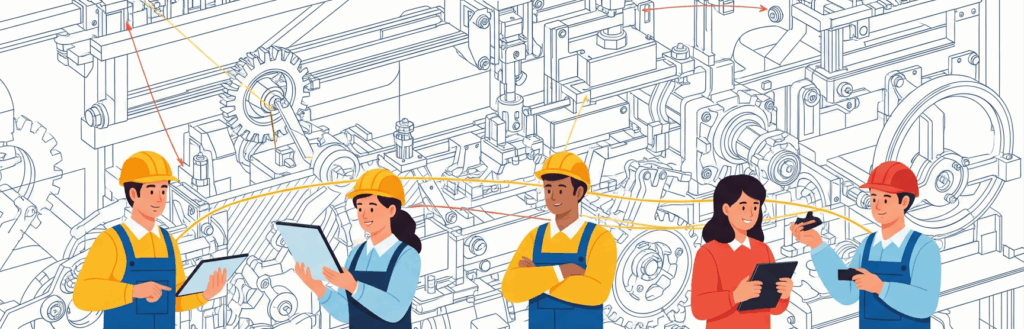
“When dealing with people, remember you are not dealing with creatures of logic, but creatures of emotion.” – Dale Carnegie
Projects don’t succeed on process alone. Involving stakeholders, listening to their input, and giving them ownership is what sustains implementation.
Haas Automation Inc.
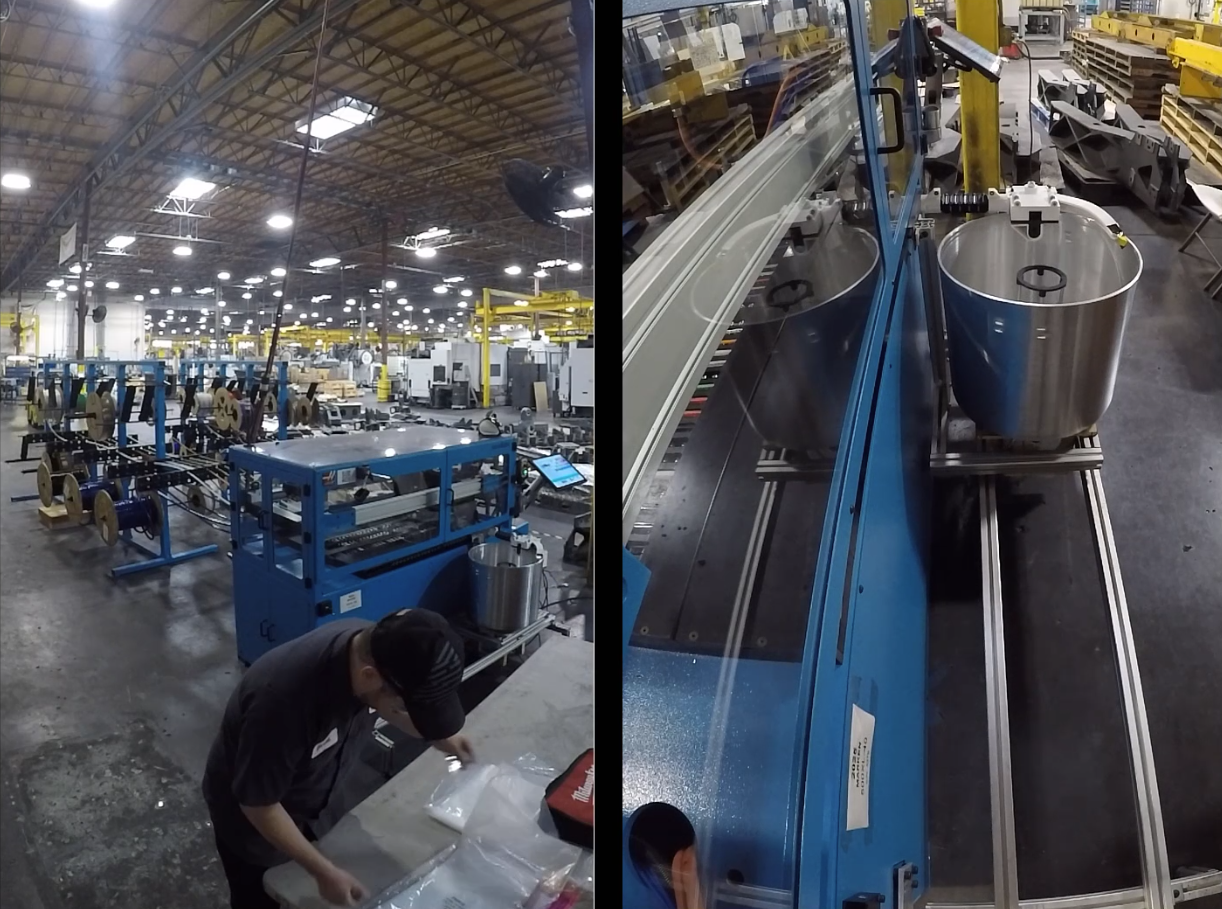
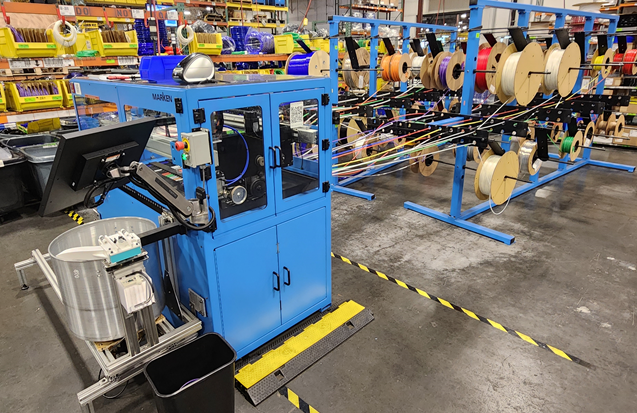
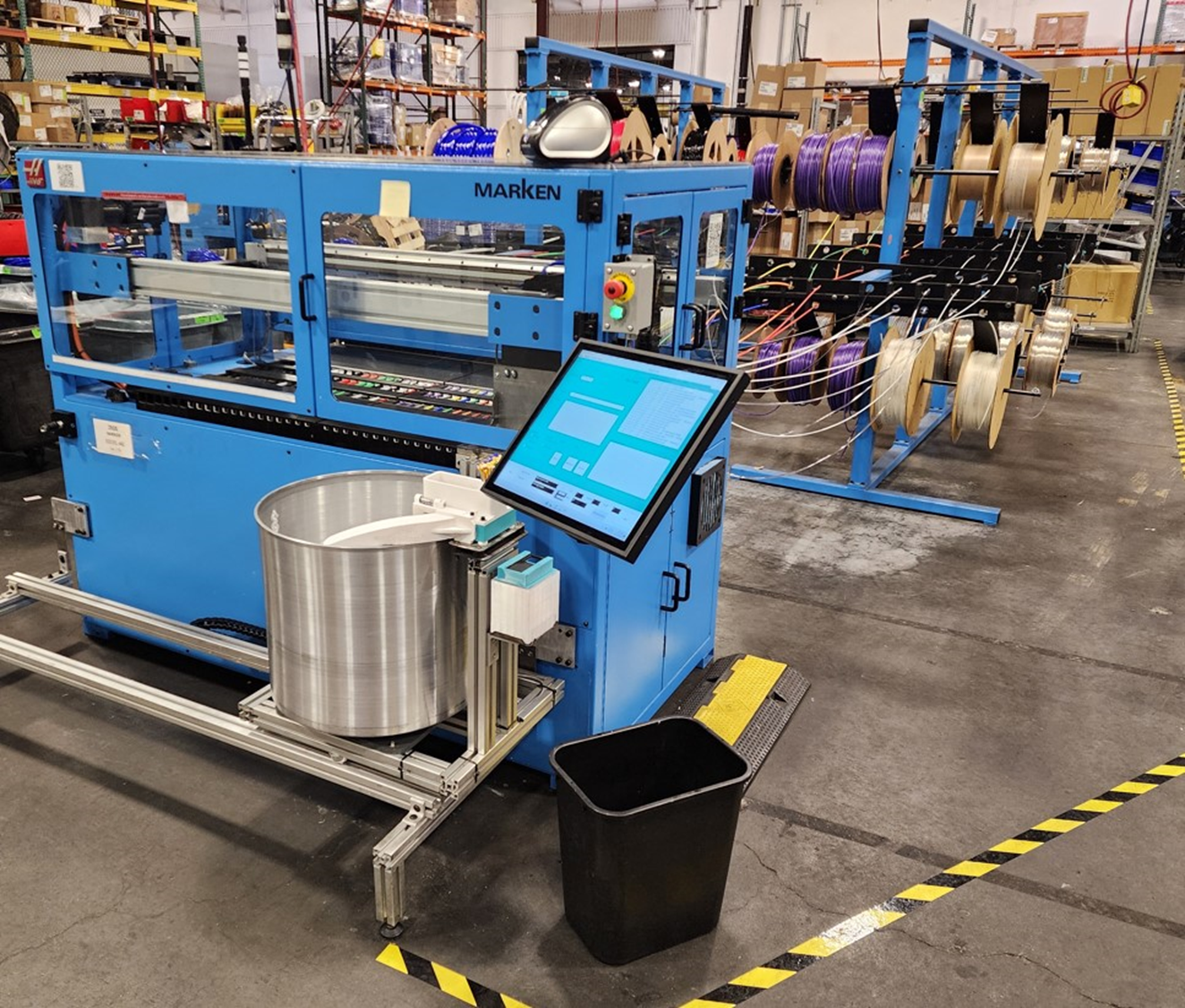
Automating Hose Feeder
Situation:
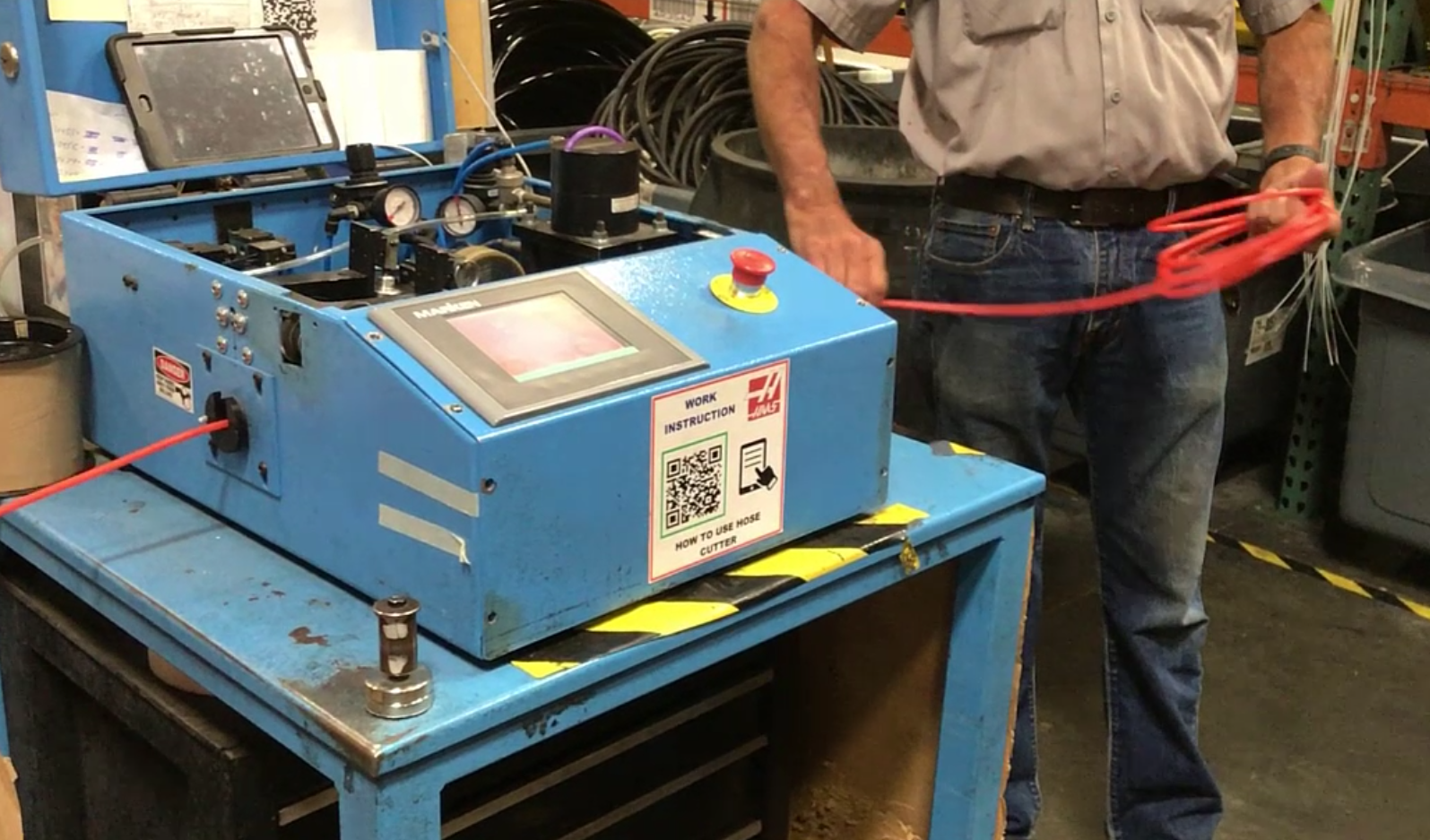
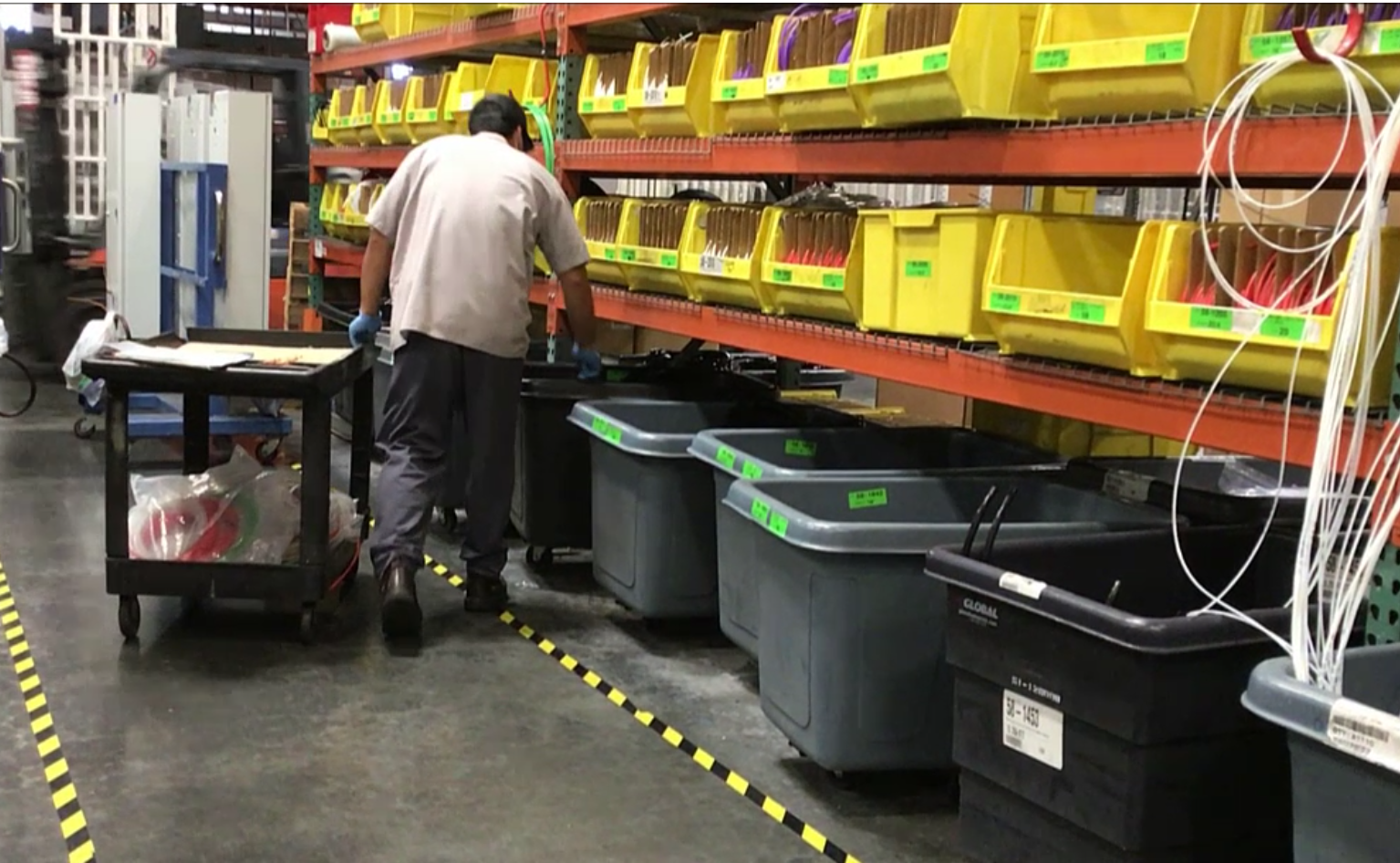
The organization was looking for ways to save hours across production. Hose kitting was a clear candidate since every machine requires hoses, making it 100% product-impacting. At the time, it took three people about 23 minutes per machine to cut and kit hoses. With ~12,500 machines produced annually, that added up to nearly 4,200 labor hours per year. We identified a vendor, Marken, who could develop a customized Auto Hose Feeder for Haas, with the potential to reduce kitting to 3 minutes per machine. I was tasked with driving the project from savings analysis through execution.
Challenge:
The vendor was delayed by a year due to pandemic shortages and struggled to develop a bowl coiler. On top of that, SAP was not configured for integration, while 140 machines still needed BOM and Routing updates with deadlines approaching quickly.
Action Plan:
Process automation: Built a VBA-driven Excel tool to update SAP BOMs and Routings efficiently, ensuring accuracy across all machines.
Project management: Partnered with leadership to reset expectations, using Gantt charts, progress bars, and action-item tracking to keep deliverables visible and reprioritized as needed.
Parallel execution: Advanced both the Auto Hose Feeder implementation and Bowl Coiler development in tandem. (Click to see Bowl Coiler Project)
Cross-functional collaboration: Partnered with IT to integrate SAP with the Hose Feeder and pushed the vendor to accelerate delivery by supplying raw materials early for testing and direct design feedback. Worked closely with sustaining engineers, production workers, and supervisors to ensure a smooth handoff and minimal friction during implementation.
Conclusion:
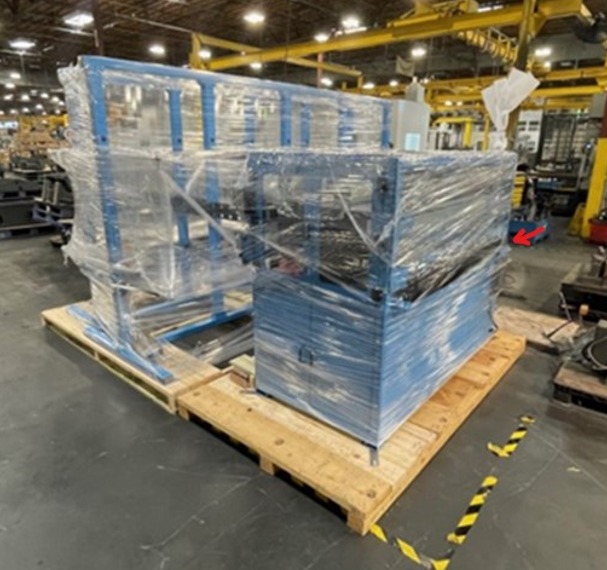
The vendor delivered in April 2024, five months ahead of schedule. Pilot runs confirmed about 85% cost savings. With the automated bowl coiler, operators gained time to focus on higher-value tasks, and production workers quickly recognized the impact, appreciating the reduced workload. Having SAP integrated, the machine only cuts what is needed, this yielded to about $30K annual scraps elimination. I successfully handed off the project to production with a redesigned layout for hose feeding, complete work instructions, and training for production workers and sustaining engineers. The project not only achieved major savings but also earned strong buy-in from the shop floor.
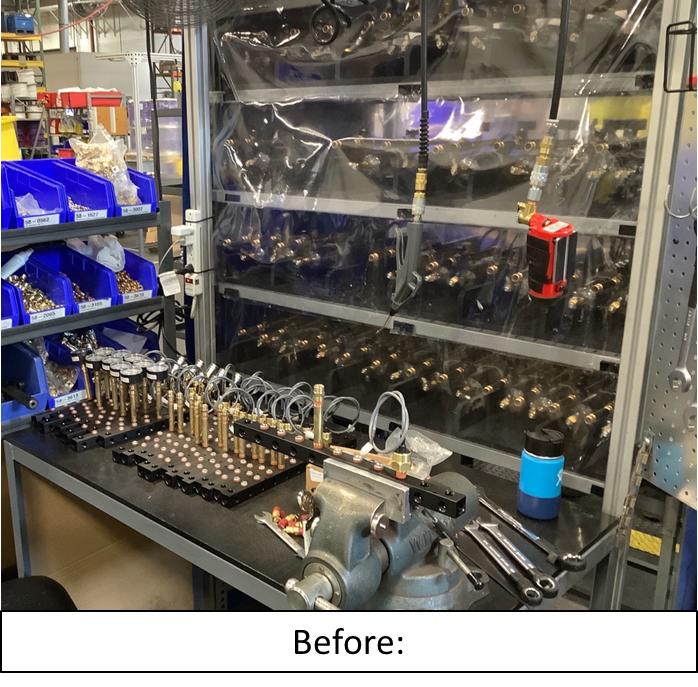
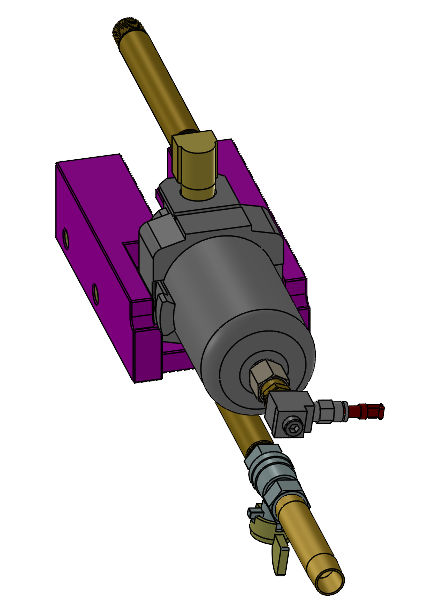
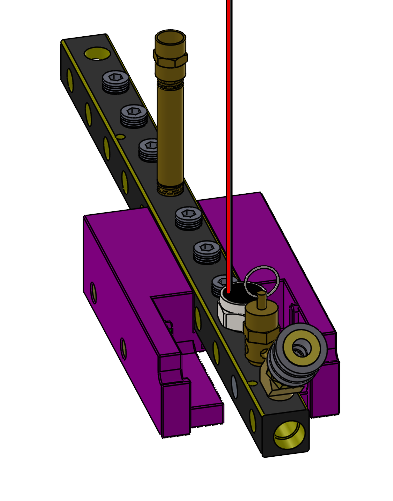
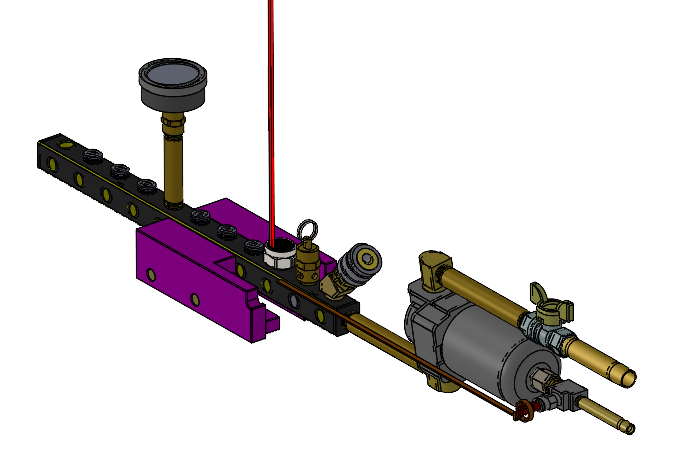
Vanilla Manifold
Situation:
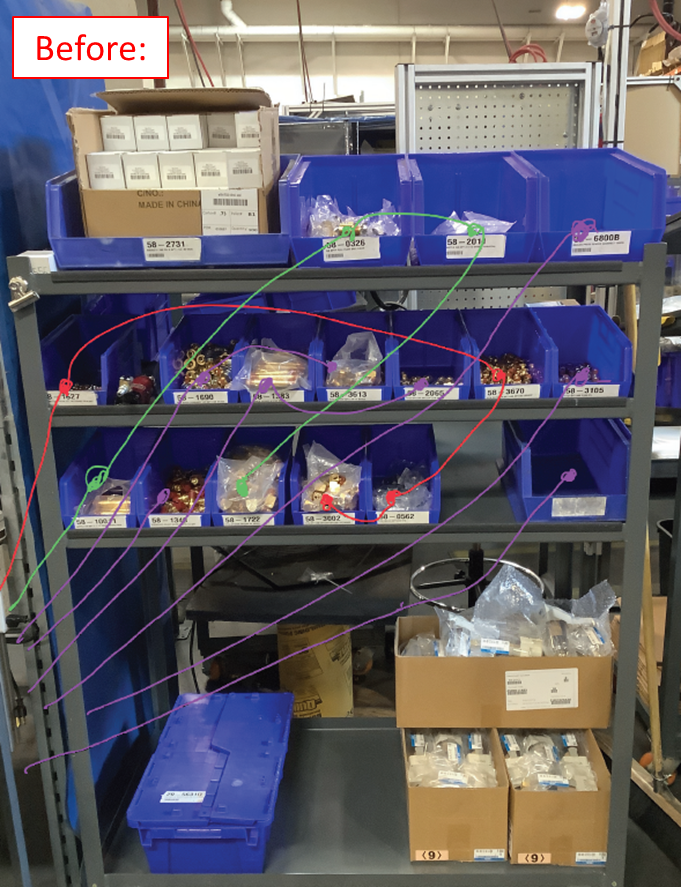
As part of the Productivity Improvement Team, our organization was looking for ways to save hours across production. Vanilla was a clear candidate since every machine required manifold, making it 100% product-impacting. At the time, assembly took 19 minutes per machine, and with ~12,500 machines produced annually. As I attempted to build a few myself, I knew there was a potential for improvements as I recognized significant waste in excessive motion, over-processing, and other inefficiencies.
Challenge:
There was strong resistance from the floor. Production supervisors and managers pushed back on my findings, since higher efficiency directly impacted bonuses. The perception was that reducing build time would reduce earnings, creating tension and reluctance to adopt changes.
Action Plan:
-
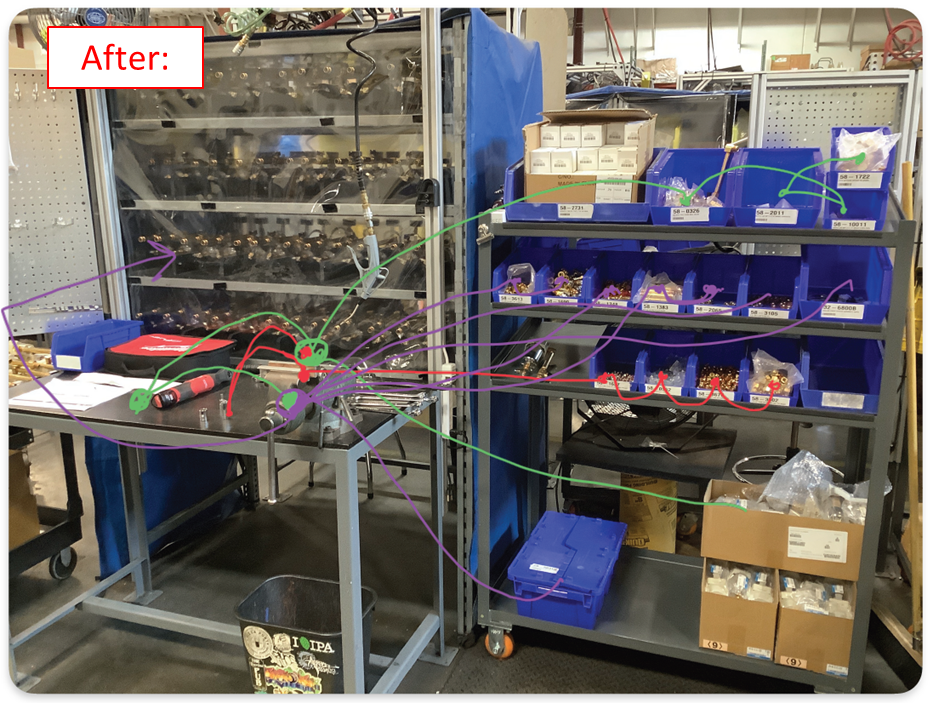
Material flow: Streamlined the assembly steps to remove wasted motion.
-
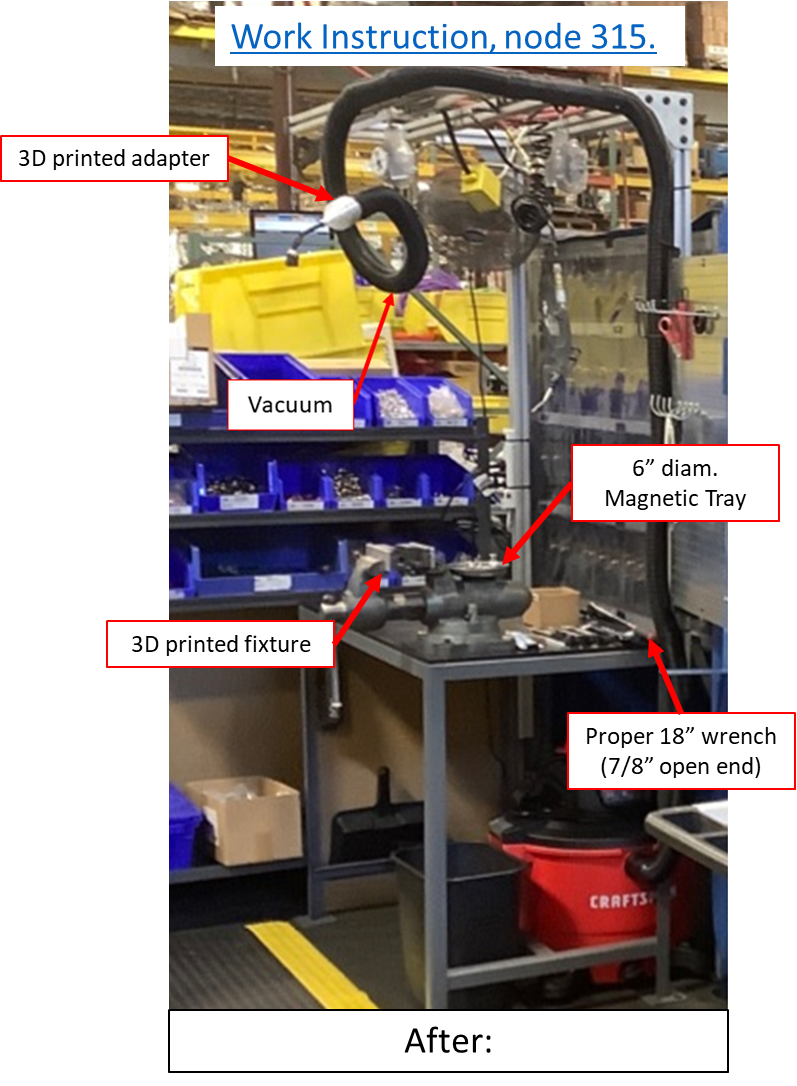
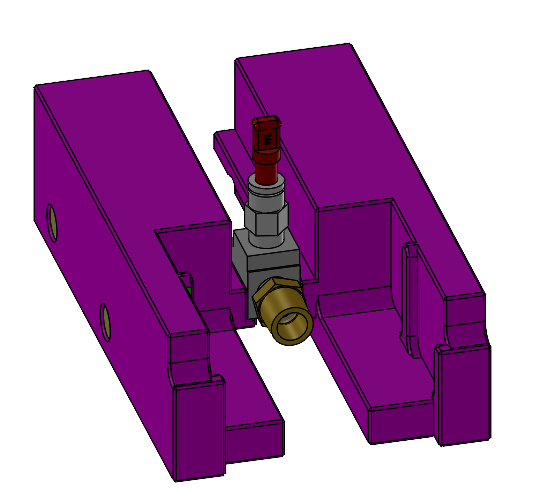
Tooling & ergonomics: Designed feasible ergonomic fixtures and provided an electric torque gun, eliminating the need to manually torque screws.
-
Soft-Jaws optimization: Redesigned jaws from requiring 20 turns to only ½ turn, allowing operators to clamp three different sub-assemblies quickly despite size and feature differences.
-
On-floor engagement: Demonstrated builds at reasonable pace to gain credibility, showed time study data to normalize learning curves, and taught workers that improvements allowed them to focus on higher-value tasks.
-
Collaboration: Built trust over time by involving production workers in the solution and reframing efficiency gains as a way to make their work easier rather than a threat to earnings.
Conclusion:
The process was successfully optimized, reducing build time from 19 minutes to 11 minutes per machine — a 43% labor savings. Production workers initially resisted but eventually recognized the benefits, appreciating reduced physical strain and smarter workflows. The project not only achieved significant efficiency gains but also improved trust between engineering and production.